Tag: Work life balance

Find easy ways to balance work and life without feeling overwhelmed. Get practical tips on managing time, reducing stress, and creating healthy routines for a happier, more balanced lifestyle.

  • Practices Behind Clean Lines Of Code

    Practices Behind Clean Lines Of Code

    Coding looks extremely charming from the outside. Lines of text turning into apps, games, and devices that seem to appear from nothing. What most people don’t see is the quiet and messy, hidden side of it all. The side where developers struggle with uncertainty, clean up old mistakes, and make dozens of small adjustments that never get listed and users never see, but still matter a lot.

    The hidden side of coding isn’t about writing fast or showing off clever tricks. It’s about slow care, patience, and the quiet effort to make something work just a little better today than it did yesterday.

    The Art of Reading Code

    Reading code is an underestimated skill. Writing feels creative, it’s your ideas that are taking form. Reading, on the other hand, is about patience. You step into someone else’s logic and try to follow their philosophy. To clean up. To improve.

    Sometimes you find brightness: clear approaches, smart patterns and neat solutions. Other times, it’s a labyrinth of chaos. But reading teaches you how others think and how decisions impact the project’s direction. You learn to recognize what makes code clear or messy, and you start borrowing small habits from others that make your own work stronger. All these make you grow!

    The more you read, the more you understand that programming is a discussion between people’s minds and habits. With every new project, your knowledge and experience expand, and clarity follows.

    Naming Things

    Naming looks simple. You’re just labeling today a class, a variable or a function tomorrow. But is that true? Good names require empathy.

    When you name something, you’re trying to communicate with the next person who reads your code. You’re creating hints about what matters. A good name can make code self-explanatory. A bad one turns every future action into a guessing game.

    Most of us have seen both ends of that scope, but a beautiful, clear function that tells you exactly what it does just by reading it is what we all need. Naming is one of those quiet acts of kindness in programming. No one thanks you for it, but everyone benefits.

    The Battle with Bugs

    Every developer knows the sinking feeling of a bug that just won’t leave you. You change one line, and suddenly five other things break. Time passes. Coffee cools. The sun is going down and you are wondering if you chose the right profession.
    And just like that, there it is! One missing semicolon, a false variable, a condition you ignored.

    Debugging isn’t just about fixing errors. It’s about understanding how systems behave. You start to see patterns, predict where problems might hide, and learn to remain peaceful when everything seems impossible. In time, you realize that every frustrating bug is really a teacher. Forcing you to slow down and gain a better understanding of how programming works.

    And most of the time, that understanding feels more pleasing than the fix itself.

    The Value of Maintenance

    In the tech world, there’s a heavy emphasis on building new things. That sounds exciting only if you aren’t the one fixing what’s broken. Maintenance work is like the ‘behind-the-scenes’ side of development, but it’s the heart of what keeps products alive.

    Maintaining a codebase means respecting its history. You observe the fingerprints of every developer before you and instead of pulling everything down, you learn to adapt it. To make changes that keep things running smoothly.

    Good maintenance it’s about discipline. It’s a long game, and those who play it well are the steady force of every successful project that stands the test of time.

    The Patience Behind Progress

    Technology moves fast, but real mastery takes time. The quiet work of reading, naming, cleaning, and fixing bugs is what helps someone grow from just coding into building with purpose. It’s the key to see problems not as blocks in your way, but as parts of a bigger picture.

    Solving problems is not always about speed. Patience can bring you pleasure. Sometimes, staying calm when nothing works is a huge victory.


    All these good practices lead to quite wins. They help you stay grounded, build confidence, reduce chaos, and prevent your future selves from burnout and impostor syndrome, which often tries to take over.

    In the end, that’s what makes programming more than just a technical skill. It’s an act that depends on your own patience and creativity. In the code you write and in the way you treat the already existing code that surrounds it. In this invisible work that keeps it all running.


  • The Burnout Syndrome – How to Identify and Overcome It

    The Burnout Syndrome – How to Identify and Overcome It

    In today’s fast world, especially in web development and programming, the pressure to continuously deliver elevated code can be really stressful. Long hours spent in front of laptops and tough deadlines. Additionally, the persistent dream of perfection and leadership can negatively affect even the most passionate and devoted developers.
    This intense environment often leads to burnout syndrome, a state of emotional, physical, and mental exhaustion that can significantly impact your personal and professional life.

    Signs that Indicate You Are Experiencing Burnout Syndrome

    Burnout can be incredibly challenging, especially in programming. It is often caused by long hours, high pressure of time, and a constantly changing technological landscape that requires continuous learning and adaptation. Below are some ways to recognize burnout syndrome. Identifying these signs early can help you take action to manage and prevent this situation, ensuring you stay healthy and productive.

    Battling (or Paddling) Against the Tide of Decreased Productivity

    We begin with the strongest and most obvious sign of burnout. You are not productive anymore. Your energy for work drops, and you feel unable to cope with continuous demands. You find it hard to concentrate, and eventually, you find yourself making more mistakes than usual. Occasionally, it’s hard to finish tasks on time.
    Additionally, meetings can be confusing, sometimes you might feel like you are not really there. Working with others can also be tricky because you constantly feel that you are not good enough for this job and can’t cope with your work duties.

    Lack of Motivation and Interest

    Another clear indicator of burnout is that stress can result in a lack of interest and motivation in things that were previously meaningful to you. Tasks that once excited you now feel like enemies that only push you and cower 🥊 you to the corner.
    There is a lack of motivation. Although you want to be creative and productive, you always feel tired and lazy, making it difficult to start new projects or complete things you’ve already taken on.
    As time goes by, this becomes more and more intense, and eventually, you lose interest at all. You don’t care about work, life, activities, or, worse, about people. Everything seems stressful and meaningful.

    The Awful, Never-Ending Exhaustion

    A further prominent signal of burnout is the persistent feeling of exhaustion, which encloses both physical and mental tiredness. This condition appears as a constant sense of tiredness, accompanied by feelings of frustration and despair that may become part of your daily experience.
    Additionally, you may experience difficulties with memory retention and problem-solving, and you may lack the ability to concentrate and think creatively or critically. Moreover, this level of exhaustion usually leads to physical symptoms such as headaches, sleep disorders, and various stress-related health issues.

    Struggling with Negativity and Loneliness

    Eventually, you develop extremely negative and critical feelings about yourself, your work, and those around you. It’s hard to find pleasure and happiness in your accomplishments and in your relationships with colleagues or other people outside of your working environment.
    Also, you seem to be experiencing a noticeable emotional disconnect. You appear to feel detached from your work and associates, and as a result, you find yourself seeking isolation on a frequent basis.

    How to overcome Burnout Syndrome

    When things get tough, it’s really important to take care of yourself first. Adopting the following methods can help you overcome burnout and maintain a healthier, more balanced work and life approach.

    Set Boundaries: Saying No and Prioritizing Tasks

    The most important factor in avoiding burnout is to educate yourself to say no. Refuse to take on additional work if you are already busy, and don’t feel obligated to do things you are not responsible for. It is crucial to respect your working environment, but it’s equally important for your working environment to respect you.
    Furthermore, prioritize your tasks. Break your projects into small, manageable pieces. In addition, create a diary with clear work hours and guard your personal time by avoiding reviewing emails or working late into the night or on weekends. Also, it is really critical to understand that you have to stop using your personal mobile phone or social media for work.

    Recharge with Self-Care, Breaks and Hobbies

    One effective way to maintain productivity and mental well-being during work is to ensure you get enough sleep, eat healthy food, and aim for balanced meals consumed regularly throughout the day. Taking care of your body helps your mind stay sharp.
    Additionally, include regular breaks on a daily basis. Taking short breaks, such as going for a short walk, can significantly contribute to refreshing your mind and re-energizing your body.
    Dedicate time to engaging in both cognitive and physical activities that fill you with joy and satisfaction beyond your work duties. For example, enjoy cognitive and creative activities such as painting and making puzzles or physical activities like volleyball and running. Hobbies can improve a relaxing and vital break, allowing you to restore energy and also enhance your mental and physical health.

    Build a supporting network

    Remember to seek support from others when you need it. Talk to friends, family, or colleagues about your situation and express your feelings. Sometimes, just sharing can relieve some stress. Count on your loved ones for advice in order to simplify your thoughts and discover other viewpoints.
    If you continue to feel crushed by burnout, seeking assistance from a therapist or counselor could be beneficial. They can suggest techniques for facing your difficulties and propose strategies to help you cope and recover.

    From Stress to Serenity – One Free Afternoon for Yourself

    Finally, keep at least one afternoon inside the week for yourself and schedule Nothing. Yes, you read it correctly. Nothing. React spontaneously. Think. What do you really need at this moment? What are your thoughts right now? Don’t think of anyone else. Just yourself. Turn an afternoon into a mini vacation and spend it focusing only on you.
    What do you miss most? Is it a walk? 👟 Maybe shopping therapy? 🛍 No? So, what is it? Something more relaxing? Reading a book 📗 close to your cat? 🐈 Still no? Oh! I found it! You just need to grab a coffee, a donut, your skateboard and play in the park! Oh, yes! That’s it for today!
    Something brand new is coming your way next week! Get ready and enjoy every moment!

    Recognizing and handling burnout syndrome is crucial for having a sustainable and also satisfying career in web development and programming. By setting boundaries and realistic goals, prioritizing self-care, fostering a healthy work-life balance, surrounding yourself with people and activities you prefer, and ensuring free time, you can protect yourself from the harmful effects of burnout. Remember, you are as important as the code you write. Take time to rest and recharge, and you’ll find yourself not only more productive but also more passionate about your work. See you around! 🎈✨

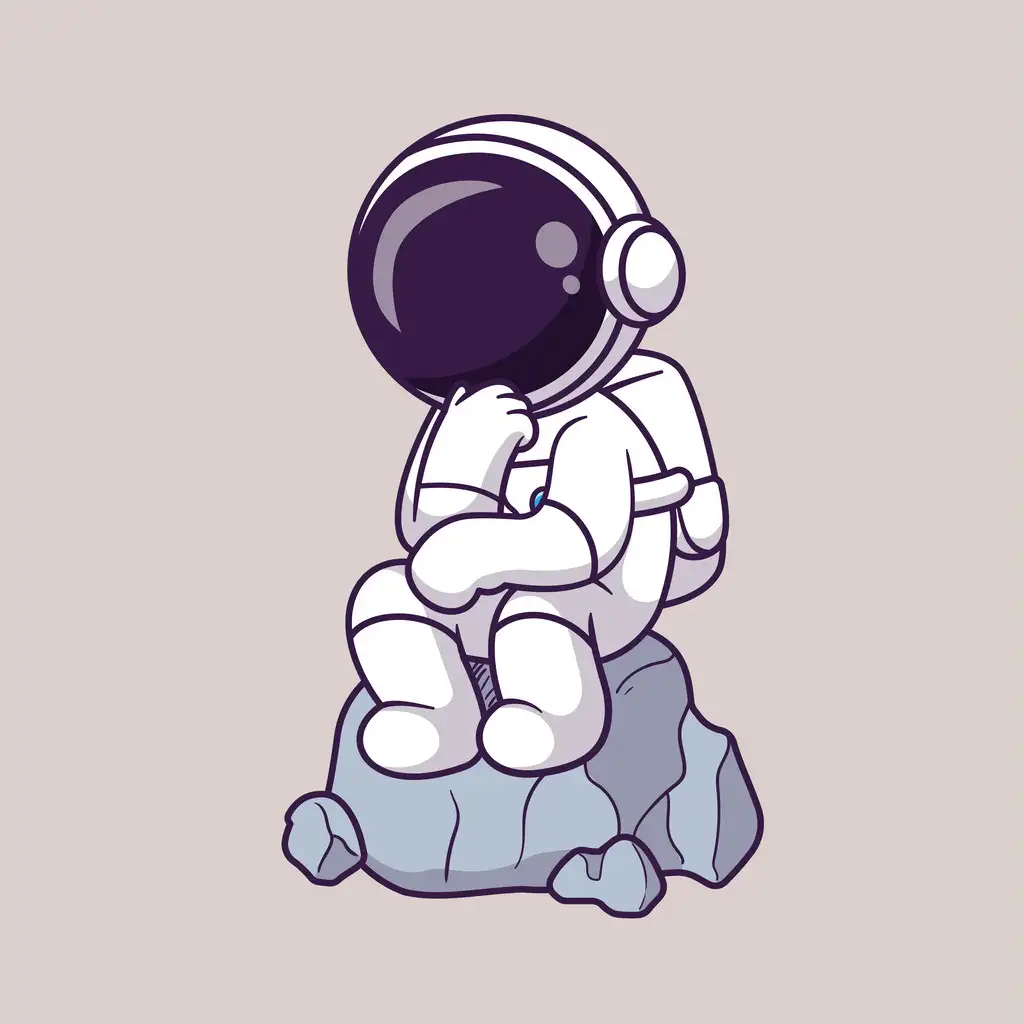
    Cute happy astronaut.
    Image by catalyststuff on Freepik
  • Unmasking Impostor Syndrome In Tech: Watch Out For These Signs

    Unmasking Impostor Syndrome In Tech: Watch Out For These Signs

    Impostor syndrome, also known as impostorism, is the feeling that you’re not as good as others think you are, even when you have proof of your success. In simple words, lack of confidence. It is often accompanied by the fear of being exposed as a fraud.

    It can affect anyone, regardless of their accomplishments. It can make you doubt yourself and believe that your achievements are due to luck rather than your own skills. This feeling can impact everyone, from students and professionals to famous people.

    In our competitive world, many people struggle with these thoughts. Realizing impostor syndrome and learning how to deal with it is essential for building confidence, maintaining a healthy and positive mind, and, by extension, enhancing one’s quality of life.

    How to recognize if you suffer from impostor syndrome?

    Recognizing impostor syndrome can be the first step toward managing it. Below, I will outline some of the most important signs to watch out for.

    Shadows of yesterday

    It often originates from our childhood and the way we grew up. It is widely accepted that many parents can either overly compliment or criticize their children, sending mixed signals that can confuse them. They hesitate to let their children try new things, fearing others will criticize failure and cause ridicule. In that way, children get used to the idea that they are not worth the opportunity to try.
    These behaviors leave imprints 🐾 on children’s minds and get deeper and deeper day by day. Eventually, they end up feeling like pawns, these lowest-value ♟ pieces, on a chessboard.
    Instead, they should encourage their children to try new things and welcome failure as a valuable learning experience, regardless of others’ thoughts.

    Keep bearing your challenging past

    Later, as an adult, impostor syndrome affects you as you have convinced yourself that you are a “broken vessel” and not well prepared for real life. You may even notice that you tend to set extremely high standards for yourself. You struggle to overcome the past and prove that you deserve something like everyone around you.
    You might feel disappointed when you don’t complete some goals, even if, many times, those plans are utopian.
    On the other hand, when you complete your goals, you will catch yourself downplaying your victories as you continue feeling that you are not capable of handling things.

    Masquerade – The False Sense of Deception

    Another clear indicator that you might struggle with this awful syndrome is that you often feel exhausted from over-preparing or overworking to cover up your falsely claimed lack of skills. You feel like you’re “faking it” at any moment, doubting and challenging yourself about your own abilities. Deep down, it seems like hiding your real self and wearing a mask that doesn’t fit right.
    I have to note that it’s a really confusing situation. It’s as though you repeatedly place hurdles in your own path and sabotage yourself.

    Frozen by Fear – How It Holds You Back

    Finally, the fear of failure. This fear can be so strong that it literally makes you feel stuck. You become anti-social. It stops you from being creative and taking risks that could help you learn and grow. It prevents you from taking on new challenges, seeking opportunities, or making decisions.
    You may constantly compare yourself to others, feeling that you’re not as talented or capable despite evidence to the contrary.
    Eventually, it can make you feel really unhappy and even affect your mental health. You will soon start feeling lonely, helpless, anxious, and weak, and occasionally depression and isolation can take you down.

    How to deal with impostor syndrome

    Handling impostor syndrome involves reconsidering, which means changing how you think and react to yourself and your plans for life, whether they are accomplishments or failures.

    Embracing Self-Love: Accepting Your Situation and Valuing Yourself

    Start by accepting your feelings. Keep in mind that many people experience these same thoughts. You are not alone. It’s just a common reaction to high pressure and expectations.
    Practice self-compassion by treating yourself with the kindness and understanding you would offer a friend. Be kinder to yourself. Try to avoid negative thoughts and replace them with more balanced and positive thinking.

    Setting Achievable Goals: A Pathway to Success

    Setting realistic goals. This can be the most crucial decision. Breaking down big tasks into smaller, manageable steps will help you handle them better, feel less stressed, and keep moving steadily toward your goals.
    Also, believe it or not, it’s important to celebrate each achievement along the way. Whether small or big, each step signifies a victory on the journey toward your goals. Do not underestimate it!

    Creating Effective Programs with Smart Planning

    Start keeping notes. It serves as a powerful tool for self-reflection. Write down your personal accomplishments as a strong reminder of your capabilities and successes. Maintaining a diary with plans is substantial evidence of your growth, boosting you to dive into future challenges with faith and enthusiasm.
    Checking ✅ your notes is always a good idea! Celebrate your successes with pride and take time to examine your failures. By understanding what went wrong, you pave the way for future triumphs. Be confident! You will blossom in your next attempt.

    Discovering Strength Through Support

    Reaching out support from others is absolutely essential, too. Let it be ingrained in your memory that you are incredibly valuable to some people. This unique sense of being heard and understood can be extremely comforting and validating for you.
    Talk to friends, family, or mentors about your feelings. Trust them and lean on their shoulders. You can count on their love and help. They can offer honest opinions and critiques, multiple perspectives, and, most importantly, remind you of your worth!
    After all, they are connections that can open doors to new opportunities and experiences. How calming is that?

    Confident Endurance – Continuing the Journey with Determination

    Eventually, it’s time to fight with your ghosts! Build self-confidence. If impostor syndrome persists and affects your life significantly on a daily basis, consider professional help from a therapist or consultant. They can provide invaluable guidance and propose techniques to empower you.
    Furthermore, they will help you overcome these feelings and reveal your strengths and skills. Always remember you belong to yourself and you are free to live your life as you wish!

    Overcoming impostor syndrome requires time and persistence. It involves regularly reminding your own value, celebrating your accomplishments, and sometimes getting help from others to change how you think. By recognizing it, you have to take steps and fight it. You will start to believe in yourself and appreciate your achievements. Remember that occasional doubts are normal, but they do not define who you are. Sooner or later, understanding and fighting impostor syndrome helps us reach our full potential and enjoy life to the fullest.

    Are you ready to go? 🧨✨ Wishing you all the best! 💖💖

    Astronaut riding space rocket
    Image by catalyststuff on Freepik